

Earth Day: A Reminder, Not a Ritual.
Every year on Earth Day, people across the world pause, planting trees, cleaning parks, and posting reminders about protecting the planet. But if care for the Earth is limited to just a single day, it risks becoming more of a formal ritual than a responsibility.
First celebrated in 1970, Earth Day emerged during a time of rising concern about pollution, oil spills, and environmental neglect. It marked the beginning of a global movement, encouraging governments and individuals alike to take environmental issues seriously. Over time, it has grown into an international event, involving over a billion people in more than 190 countries. Despite this awareness, the challenges facing our planet have only intensified. Climate change, deforestation, and plastic pollution to continues to threaten ecosystems and human life.
If we think about the first time we truly noticed nature, maybe it was sunrise that stopped us in our track, a forest trail that made everything feel quieter, or the sound of rain that somehow felt like home. That connection is real.
There is something quietly heartbreaking about watching a world that raised us slowly undone. The forests that once felt endless are shrinking into memories. Species that shared this planet with our ancestors are disappearing before we even learn about their names.
And somewhere in the middle of that loss, we are still here. Still breathing the air that we did not create. Still drinking water we did not make. Still standing on soil that has been more patient with us than we deserve. This part is rarely said, but the Earth does not need us. It survived mass extinction, ice ages, and cosmic collisions long before humanity arrived. What is fragile is not the planet, it is everything we love about being alive on it. The coastline that shaped us, the seasons our grandparents described with certainty.
We have long framed environmentalism as saving the Earth. But perhaps it was never about that. Perhaps it’s about saving ourselves, the version of us that still knows how to sit beneath a tree and feel small in the best way. The version that looks at the ocean and feels like something no language has ever been able to hold.
Earth Day is not a celebration, its a yearly reminder that we are borrowing this place from people who have not yet been born, and the only question that truly matters is whether we will leave them anything worth inheriting.
However, Earth Day is not just about highlighting problems, it’s about inspiring solutions. Small actions, such as reducing water waste, conserving energy, and supporting sustainable products, can collect meaningful change. Larger efforts, including policies and renewable energy development, are also essential in addressing environmental issues on a global scale. Ultimately, Earth Day should serve as a reminder that protecting our planet is not once a year commitment, its an everyday responsibility. The health of the Earth directly impacts our future, making it crucial for individuals, communities, and nations to act consistently and responsibly. The consistency is what separates awareness from action. It is easy to share a post, plant a tree once a year, or attend a rally, but the real measure of environmental commitment is what happens in the other 364 days. Do we choose convenience over sustainability? Do we hold corporations accountable when the spotlights fades? Do we push for policy that outlasts any single administration?
The answers to these questions define whether Earth Day truly means anything. A movement built on one day of effort will always fall short of the scale of change our planet needs. But a culture that treats environmental responsibility as a daily standard, woven into how we shop, travel, vote, and consume, has the power to shift systems, not just symbolize change.
Earth Day is really just a mirror. It reflects back the kind of relationship we have built with the world around us. And we look closely, most of us know there is more we can give, not out of guilt but out of love that is worth protecting.
The Earth gave us everything. The least we can do is show up for it, not just today, but in every quiet, everyday choice that we make.

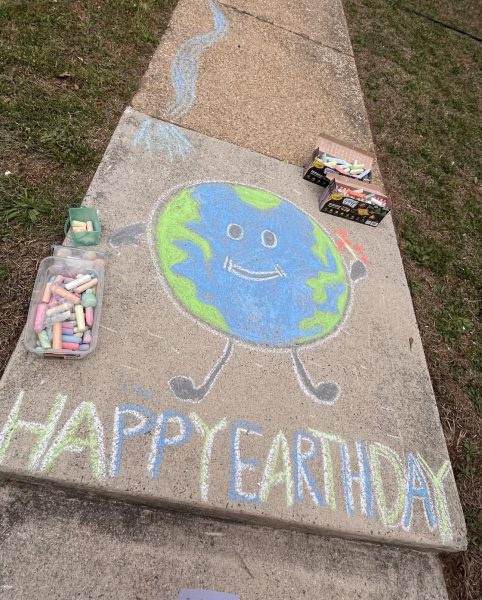
Facts about Earth Day
- Origin: The first Earth Day was April 22, 1970, which led to the creation of the EPA and landmark environmental laws.
- Purpose: To raise awareness about pollution, climate change, and the need for conservation.
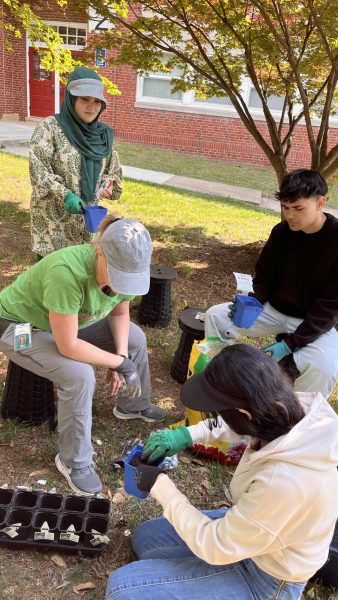
- Global Participation: Over 1 billion people participate in activities like tree planting, cleaning up litter, and environmental education.
- How to Celebrate: Individuals can help by planting trees, recycling, reducing plastic use, and participating in local cleanups
https://kids.nationalgeographic.com/
- Support Sustainability: Choose to walk or bike instead of driving.
- Clean Up: Participate in or organize a local neighborhood or park cleanup.
- Educate and Advocate: Teach others about environmental issues and support eco-friendly policies.
- Go Green: Switch to renewable energy or reduce energy consumption at home.