

Ms. Culik’s description of the project
Environmental Science students learned about the 7 requirements for a Living Building, visited the Woodlands Stewardship Education Center, and built their own models. The Living Building Challenge is basically the ultimate standard for green architecture—it requires buildings to act like a plant by generating their own energy, capturing their own water, using zero toxic materials, and looking beautiful. At the Woodlands Center, students saw these ideas in action through features like huge solar panel arrays and rainwater cisterns. Back in the classroom, the students put this into practice by building mini living building models. By balancing the requirements for materials, land, water, energy, health, equity, and beauty, they learned that modern buildings can actually help heal the environment instead of harming it. You can explore an interactive map of real certified living buildings across the globe at the International Living Future Institute.
Sana’s description of the Project
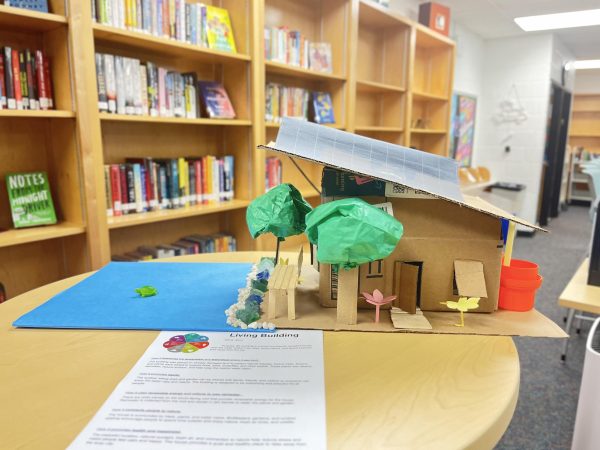
For this project, I built a Living Building model of a small weekend house near the water. The goal was to design a building that works with nature instead of harming it. My house uses solar panels to produce renewable energy and collects rainwater from the roof. I added native trees and plants around the building to help birds, pollinators, and other wildlife. Large windows bring in natural light and allow people to enjoy the view of the water and nature. Through this project, I learned how buildings can save energy, protect the environment, and create a healthy and peaceful place for people. It showed me that even a small building can have a positive impact on nature.
Farah’s description of the Project
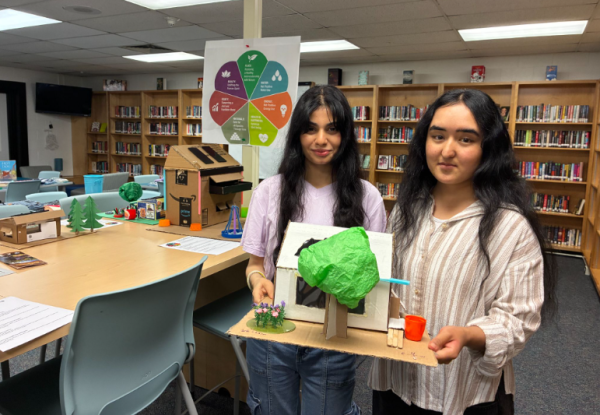
My goal was to design a private house that is sustainable, environmentally friendly, and comfortable for everyone. I wanted the house to have a positive impact on both people and nature. To achieve this, I included solar panels to generate renewable energy and a rainwater collection system to conserve water. I also added native trees, flowers, and a garden to support local wildlife and improve the surrounding ecosystem. Wide ramps and doorways were included to make the house accessible to people of all abilities. The outdoor spaces encourage people to spend time in nature, while natural light, fresh air, and green areas help improve health and well-being. Overall, my design creates a safe, healthy, and sustainable place to live while protecting the environment for future generations.
Sara and Massame’s description of their Project
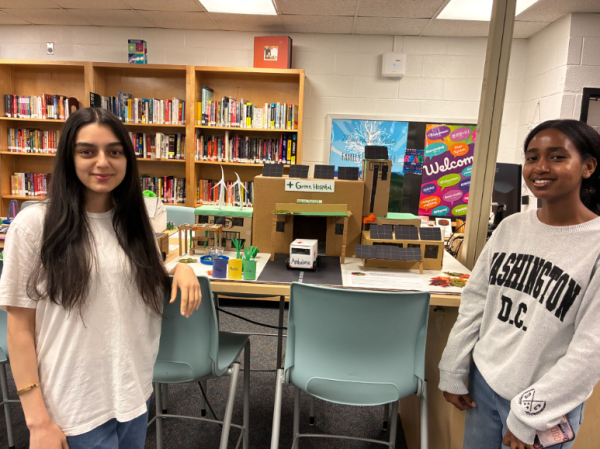
Our Hospital is built in harmony with nature creating a safe welcoming space for everyone.Our building is open, safe and accessible for everyone in our community equally. For energy we use clean power from the sun and wind so that way our building gives more energy than it uses. Our green roof acts like a sponge to catch rainwater and protect our natural water supplies. Our building is designed to look like a beautiful garden full of plants and flowers, and our hospital inspires hope and love for nature. We built our hospital with safe nontoxic materials which are good for people and the planet. This hospital is designed with fresh air and green plants to help patients heal faster.
SDGs applied to this project
SDG 11: Make cities and human settlements inclusive, safe, resilient and sustainable.